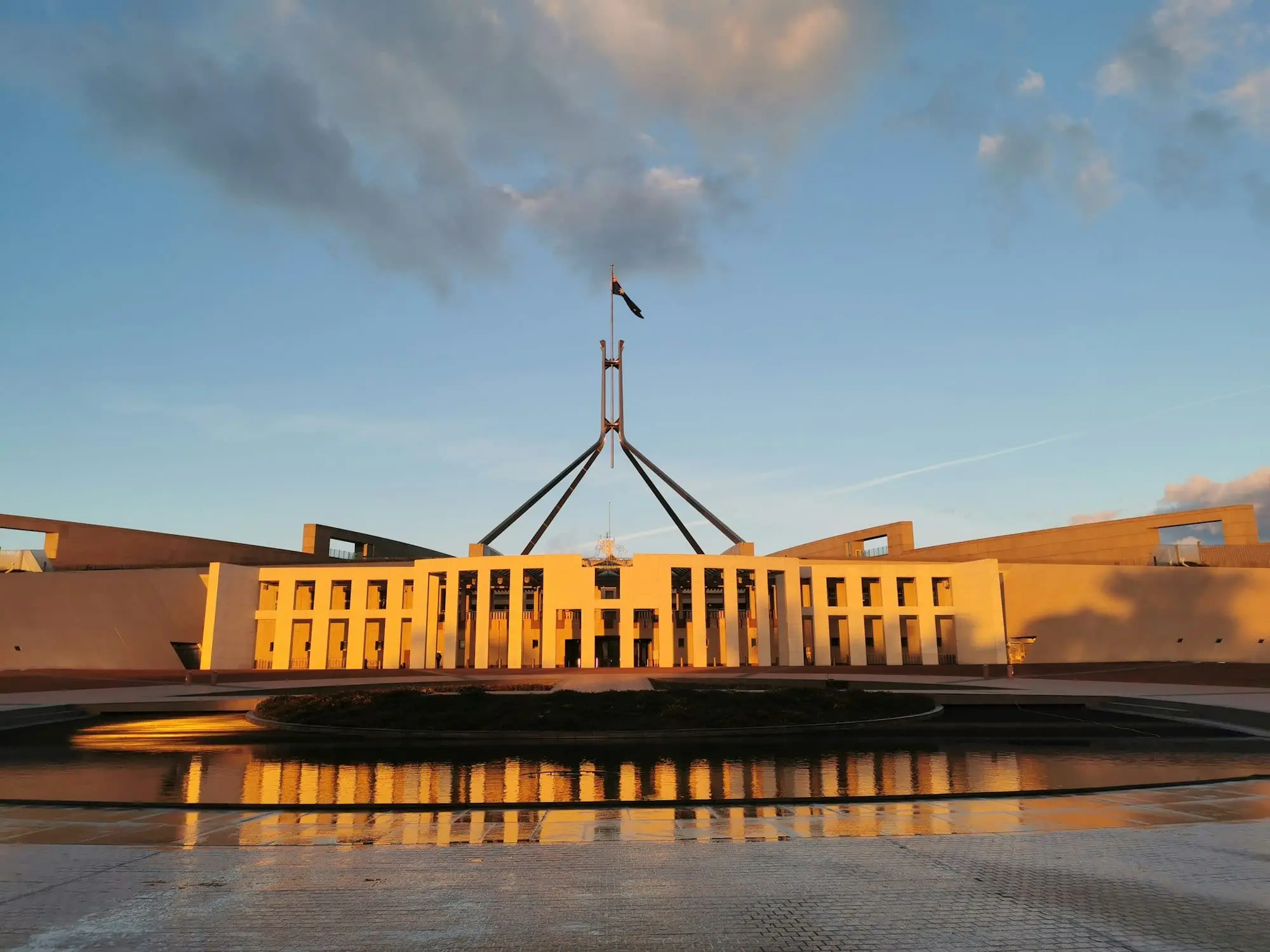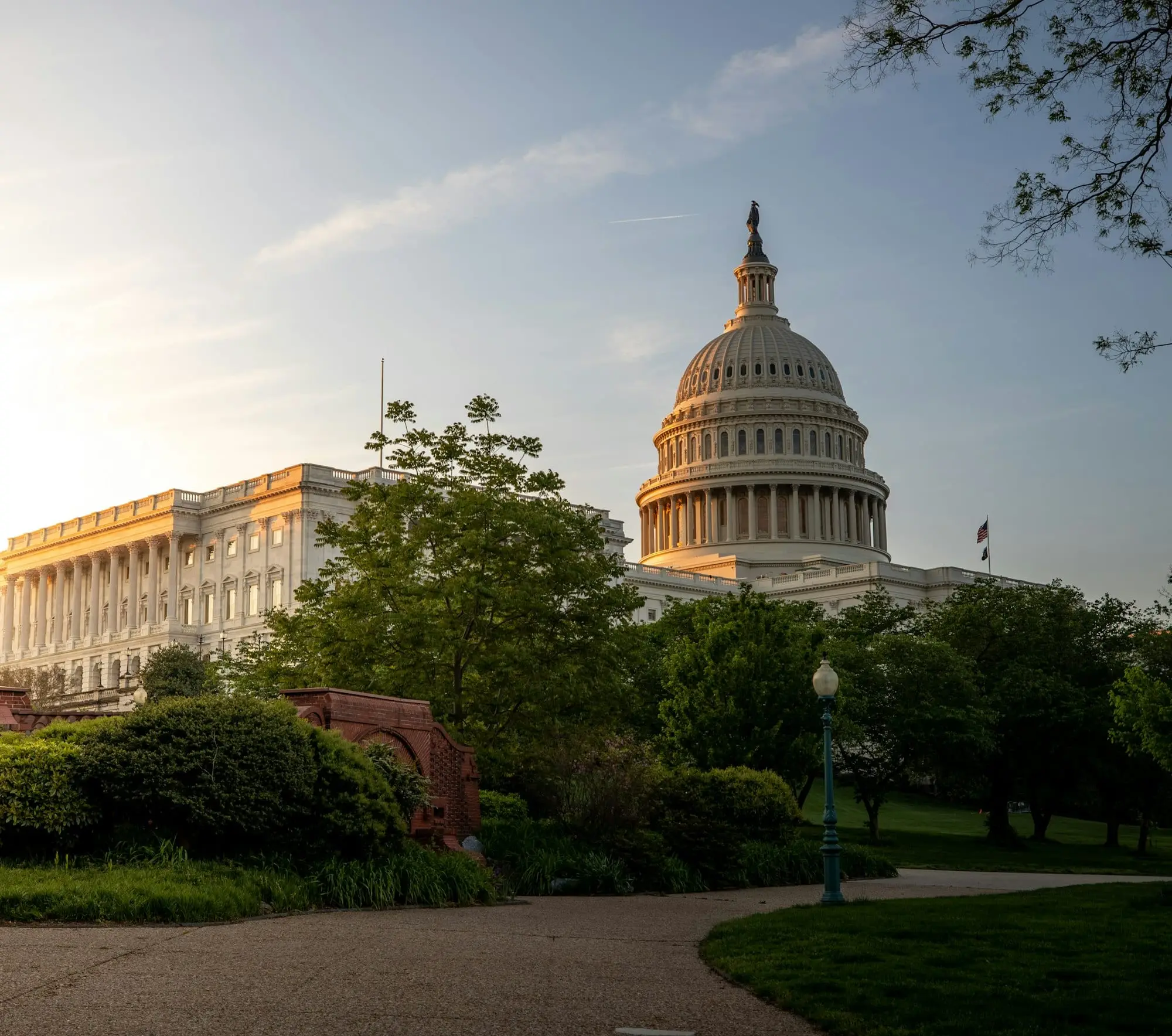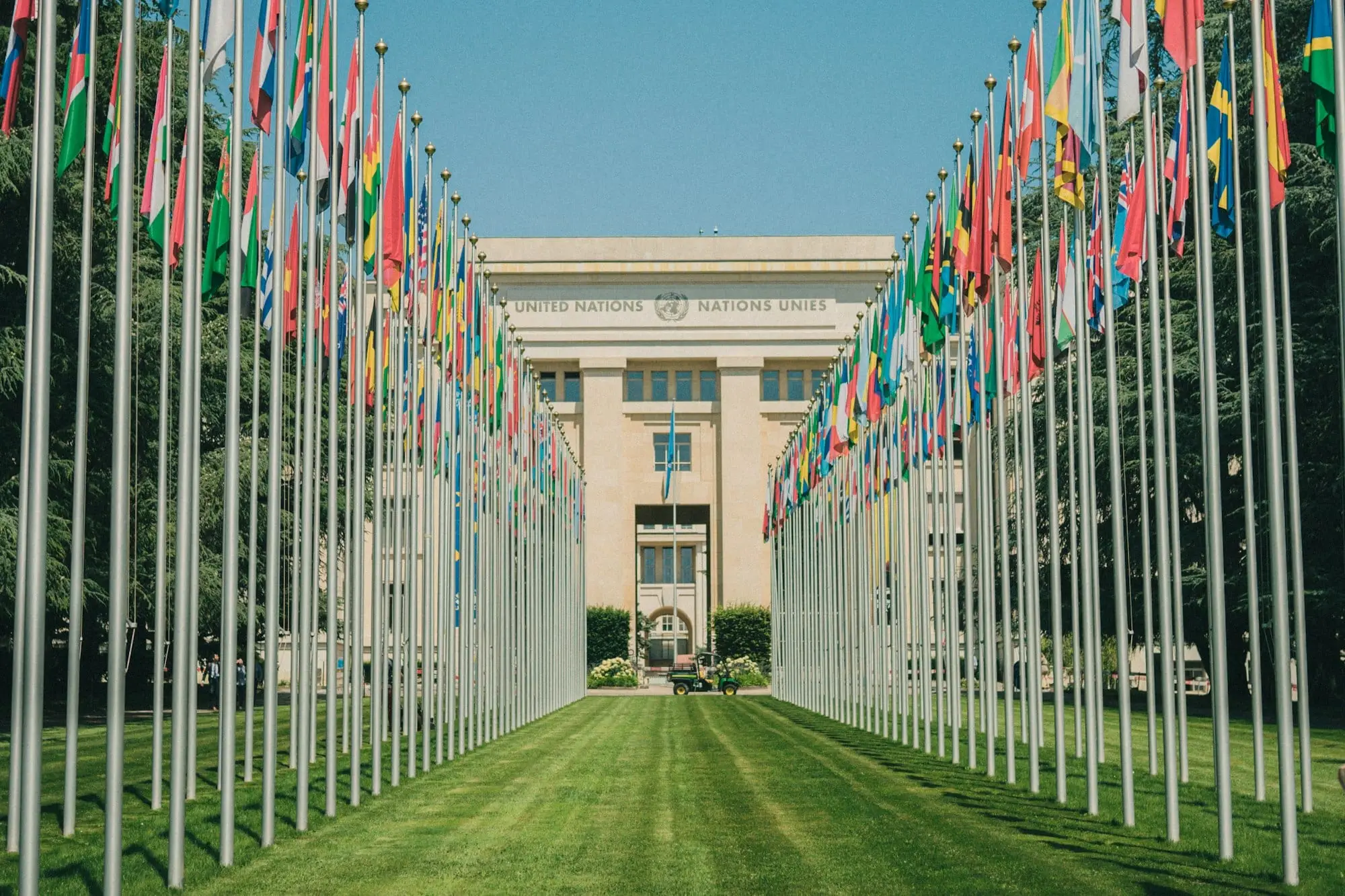
A sanctions list is a public register of people, companies, groups and ships that a government, or the UN Security Council, has placed under legal restrictions. If a name is on a list that applies to you, you generally cannot pay that party, take their money or do business with them without a license.
Each list belongs to one legal system. The US, the UK, the EU, Australia and the UN all publish their own. They overlap, but they are not copies of each other.
What does it mean to be on a sanctions list?
Being added to a list is called a designation.
The most common restriction is an asset freeze. Australia's Department of Foreign Affairs and Trade (DFAT) describes it in plain terms. Where a listed person is under targeted financial sanctions, it is prohibited to make an asset available to them, directly or indirectly. It is also prohibited to use or deal with assets they own or control. DFAT says this is "commonly referred to as an 'asset freeze'."
A freeze does not take the property away. The UK Office of Financial Sanctions Implementation (OFSI) puts it this way:
An asset freeze does not involve a change in ownership of the frozen funds or economic resources.
The European Commission lists arms embargoes, travel bans and asset freezes among EU sanctions. Australia's list flags each entry for targeted financial sanctions, travel ban, arms embargo or maritime restriction.
Targeted sanctions and country-wide sanctions
There are two broad kinds of sanctions program. The US Office of Foreign Assets Control (OFAC) says some of its sanctions cover a whole jurisdiction. Its basic FAQs also say: "Other sanctions programs impose targeted sanctions on specific persons."
A sanctions list is the tool for targeted sanctions. It names the people and companies the restrictions apply to. Country-wide sanctions work differently. They restrict most dealings with a place, so a name search alone does not catch them. If you sell to or buy from a sanctioned country, you need to read that program's rules, not only the list.
Who publishes the main sanctions lists?
Six lists come up most often for businesses that use QuickBooks Online or Xero. Five are sanctions lists. The BIS Entity List is an export control list, covered below.
| List | Published by | Legal basis | Official page |
|---|---|---|---|
| UN Security Council Consolidated List | UN Security Council sanctions committees | UN Security Council resolutions | main.un.org |
| SDN List and non-SDN lists | OFAC, US Department of the Treasury | Mostly the International Emergency Economic Powers Act | ofac.treasury.gov |
| Entity List | Bureau of Industry and Security (BIS), US Department of Commerce | Export Administration Regulations, Supplement No. 4 to Part 744 | bis.gov |
| UK Sanctions List | Foreign, Commonwealth & Development Office (FCDO) | Regulations under the Sanctions and Anti-Money Laundering Act 2018 | gov.uk |
| EU Consolidated Financial Sanctions List | European Commission (DG FISMA) | Sanctions adopted by the Council of the EU | data.europa.eu |
| Australian Consolidated List | Australian Sanctions Office, DFAT | Charter of the United Nations Act 1945 and Autonomous Sanctions Act 2011 | dfat.gov.au |
The UN Security Council Consolidated List
The UN Consolidated List "includes all individuals and entities subject to measures imposed by the Security Council." Each sanctions regime is run by its own committee. On its last update, 5 October 2026, the list held 736 individuals and 274 entities and other groups.
OFAC's SDN list and non-SDN lists
OFAC publishes the Specially Designated Nationals and Blocked Persons List, usually called the SDN list. OFAC says the SDN list contains "the names of individuals, entities and groups designated by OFAC," and it also covers blocked vessels and aircraft. OFAC's FAQ 18 says of listed parties: "Their assets are blocked and U.S. persons are generally prohibited from dealing with them."
OFAC also keeps other sanctions lists. They include the Sectoral Sanctions Identifications (SSI) List, the Foreign Sanctions Evaders List and the Non-SDN Chinese Military-Industrial Complex Companies List. OFAC groups these in one data set it calls the Consolidated list. The restrictions on non-SDN lists are narrower than a full block. Our guide to OFAC's sanctions lists explains each one, and the SDN list guide covers the main list in detail.
The BIS Entity List
The Entity List is published by BIS under the Export Administration Regulations. It is an export control list. It does not freeze assets. Under section 744.11 of those rules, BIS adds entities where there is reasonable cause to believe they are involved, or pose a significant risk of being involved, in activities "contrary to the national security or foreign policy interests of the United States." A listing means you need a license to export, reexport or transfer items subject to the regulations to that party.
The UK Sanctions List
The FCDO publishes the UK Sanctions List. It shows which people, entities and ships are designated or specified under UK sanctions regulations, and why. The FCDO page says: "The UK Sanctions List is now the only source for all UK sanctions designations."
The EU Consolidated Financial Sanctions List
The European Commission keeps the EU's consolidated list of persons, groups and entities subject to financial sanctions. The Commission says DG FISMA "manages and updates" it "whenever necessary." Sanctions are adopted by the Council of the EU and become law when published in the Official Journal. The Commission says the obligations bind EU nationals and people located in the EU or doing business there. See our guide to the EU sanctions list for the details.
Australia's Consolidated List
The Australian Sanctions Office in DFAT maintains the Consolidated List. DFAT says it includes all individuals, entities and vessels subject to Australian sanctions. UN sanctions in Australia run under the Charter of the United Nations Act 1945. Australia's own sanctions run under the Autonomous Sanctions Act 2011. DFAT says dealing with someone on the list is a serious criminal offence, with penalties of up to 10 years in prison for individuals. Our guide to Australia's Consolidated List covers how to read it.
How do UN listings end up on national lists?
The UN publishes its list, but it does not enforce it against a business. Member states do that through their own laws. The UN page says: "Member States are obliged to implement the measures specific to each listed name."
Each country brings UN listings into its own list in its own way:
- UK. OFSI's guidance says new UN listings "will have effect in UK law via regulations made under the Sanctions Act 2018." The FCDO publicises them.
- EU. The Commission says some EU sanctions are mandated by the UN Security Council. DG FISMA is responsible for transposing certain UN sanctions into EU law.
- Australia. DFAT's list includes people and entities listed by the UN Security Council. DFAT's guide says UN names appear on the Australian list as they appear on the UN list.
Each country also adds names under its own programs. Those names are not on the UN list. So a UN check alone leaves gaps, and a single national list does not cover the others. DFAT says its list "does not include individuals or entities listed or prescribed under other Australian laws, or sanctions laws of other countries."
What does a sanctions list entry contain?
An entry holds more than a name. The detail is there so you can tell the listed party apart from someone else with the same name.
The UN list sets out its fields. For an individual they include:
- up to four name fields, plus the name in its original script, such as Arabic or Cyrillic
- aliases, split into "good quality" and "low quality"
- date and place of birth, including alternatives
- nationality, passport number and national ID number
- address
- the date the person was listed, and a permanent reference number that shows the regime
The UN marks missing details with "na." Many entries have gaps.
Other lists look similar. Australia's list adds an alias strength of "strong" or "weak," an IMO number for ships, and true or false flags for each measure. OFSI says the UK list can include name variations, date and place of birth, nationality, passport and national ID details, addresses and position.
Which sanctions lists should my business check?
Start with the list of the country whose law applies to your business. Then add lists that match the people you deal with.
| Your situation | Lists to start with |
|---|---|
| US business | OFAC SDN list and OFAC's non-SDN lists. Add the BIS Entity List if you export goods, software or technology. |
| UK business | UK Sanctions List |
| Business in the EU | EU Consolidated Financial Sanctions List |
| Australian business | DFAT Consolidated List |
| Customers or suppliers abroad | Add the list of each country you trade with or pay into |
The table is a starting point, not legal advice. OFAC's FAQs say "Non-U.S. persons are also subject to certain sanctions prohibitions," so a business outside the US can still have OFAC exposure. If you work across borders and are unsure, ask a sanctions lawyer.
For the steps behind a basic program, see sanctions compliance for small businesses. If you use Xero, our guide on checking Xero contacts against sanctions lists walks through an export and manual search.
How often do sanctions lists change?
Often, and without a fixed schedule. OFAC's FAQ 20 says: "There is no predetermined timetable, but rather names are added or removed as necessary and appropriate."
Recent update dates show the pace. OFAC's Recent Actions page shows sanctions list updates on seven separate days between 29 September and 9 October 2026. The UN list was last updated on 5 October 2026. DFAT's file was last updated on 7 October 2026. The FCDO's UK list page logged a change on 12 October 2026.
A vendor that was clear last quarter can be listed this week. Check new vendors and customers before the first payment or invoice. Recheck your existing contacts on a regular cycle. Sanctions Clear, opening to QuickBooks Online and Xero users, will screen vendors and customers against eight sources, including OFAC, UK, EU and UN lists, recheck them as they change, and keep a dated record of each check.
Why does name matching produce false positives?
Names are not unique. Names written in another script can be spelled several ways in English letters. A company can trade under a name that differs from its registered one.
So a search returns possible matches, and most of them are not the listed party. OFSI's guidance explains the difference:
You may find that the name of an individual, entity or ship you are dealing with matches one or more entries on the list. This is known as a name match. However, it does not necessarily mean that the individual, entity or ship you are dealing with is the same one as is on the list.
OFSI says a target match is when the party you deal with matches all the information on the list. Its own example is a name match for a Syrian general where the person you are dealing with is 15 and born in the UK. That is a name match, not a target match.
Keep a record of each search, including clean results. It shows what you checked, on which date, against which version of the list.